Tracing our Ancestors
Reconnecting Our People, Our History, and Our Cultural Belongings
Tracing Our Ancestors is an Indigenous-led provenance research project of the Native Village of Eyak (NVE) examining Cultural Belongings and ancestral remains from the Chugach Region that are currently held by the Ethnologisches Museum Berlin in Germany as well as by other museums, universities, archives, and institutions around the world.
The project seeks to better understand how Cultural Belongings and ancestral remains were collected, removed, documented, and transferred, and to reconnect them to the people, families, clans, communities, histories, and Traditional Homelands from which they came. The work goes beyond determining when, where, and by whom belongings were collected. It seeks to restore the relationships and cultural context that are often missing from museum records and to ensure these histories are understood through Indigenous knowledge, perspectives, and connections to place.
This research is part of NVE’s larger effort to reclaim our history, strengthen Tribal sovereignty, and bring Cultural Belongings home.
The Chugach Collection in Berlin
In 1883, Norwegian collector Johan Adrian Jacobsen traveled through Alaska collecting Cultural Belongings for what is now the Ethnologisches Museum Berlin. During his travels through the Chugach region, Jacobsen acquired hundreds of Cultural Belongings that represent the lives, knowledge, technologies, spirituality, artistry, and relationships of the region's Indigenous peoples. Today, these belongings remain thousands of miles from the communities and homelands they came from. The Tracing Our Ancestors project was created to better understand this collection, investigate the circumstances surrounding its removal, reconnect individual belongings with their histories and communities, and establish the foundation for their return.
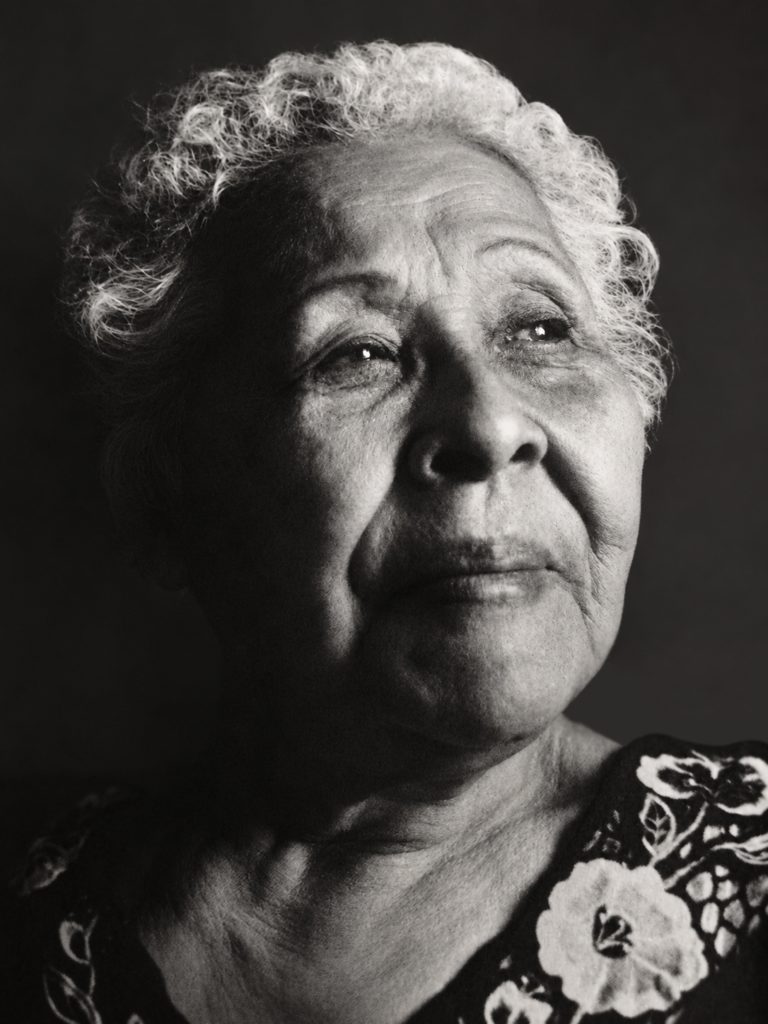
Photo of tAnAGAmaa Sophie Borodkin, Eyak Ancestor; photo courtesy of her daughter Faye Pahl, via Pam Smith
Indigenous-Led Provenance Research
The Tracing Our Ancestors: Provenance Research Report on the Chugach Collection at the Ethnologisches Museum Berlin represents years of research, consultation, archival review, mapping, and collaboration.
Provenance research has traditionally been conducted by museums using museum archives, accession records, collector journals, and other institutional records.
Tracing Our Ancestors approaches provenance differently.
Our research begins with the understanding that Indigenous communities are not simply sources of information. We are the descendants of the people who created, used, cared for, traded, gifted, and lived with these Cultural Belongings. The report examines the collection within a much broader Indigenous history of the region. Rather than relying solely on museum catalog records or collectors’ descriptions, the research brings together historical records, Indigenous knowledge, oral histories, language, place names, family and clan relationships, traditional land use, and Tribal governance.
Our histories, languages, oral traditions, family relationships, place-based knowledge, and Tribal governments are essential to understanding them.
By conducting our own provenance research, we are helping correct incomplete historical records and ensuring that decisions about the future of these Cultural Belongings include the voices and authority of the Indigenous peoples to whom they remain connected.
More Than Objects
We use the term Cultural Belongings intentionally.
These belongings are more than museum objects or artifacts. They carry knowledge, history, identity, artistry, family connections, and relationships to place.
Many were created by our ancestors for specific purposes and within cultural systems that continue today.
Their placement in museum collections does not erase those relationships.
The work of Tracing Our Ancestors is therefore not simply about researching the origins of objects. It is about restoring relationships that were interrupted when Cultural Belongings were removed from their communities.
Bringing All Our Cultural Belongings Home
The completion of the Tracing Our Ancestors report is an important step, but it is not the end of this work.
NVE is using this research to support the identification and rematriation of Cultural Belongings and ancestral remains held in museums, universities, archives, private collections, and other institutions around the world. This includes pursuing formal requests for return, building relationships with institutions, conducting additional provenance research, and working with other Indigenous communities connected to these collections.
Our goal is to bring our ancestors and Cultural Belongings home and reconnect them with the people, communities, cultures, and Traditional Homelands to which they belong. Rematriation is not simply about returning belongings from one location to another. It is about restoring relationships, responsibilities, knowledge, and cultural connections that have endured despite generations of separation.
What Comes Next
Through this provenance research, NVE will continue working with neighboring Tribes, museums, universities, governments, and other institutions to identify Cultural Belongings and ancestral remains held outside of their communities and pursue their respectful return. This work is part of a broader effort to rematriate Cultural Belongings and ancestors, restore relationships disrupted through their removal, and reconnect them with their people, communities, and Traditional Homelands.
At the same time, NVE is planning for the long-term care, stewardship, interpretation, and community access of Cultural Belongings that return home. As part of this work, NVE is developing a new Cultural Center that will provide a permanent home for Cultural Belongings, museum collections, archives, Tribal history, language, art, education, and cultural programming.
The Cultural Center will be more than a place to house and preserve collections. It will be a place where Tribal Members, Elders, youth, artists, culture bearers, and future generations can reconnect with the knowledge and Cultural Belongings of our ancestors, strengthen cultural practices, conduct research, share knowledge, and continue passing our culture forward.
The Tracing Our Ancestors project, our ongoing rematriation efforts, and the development of the new Cultural Center are interconnected parts of NVE’s larger work to reclaim our history, restore relationships, strengthen cultural continuity, and bring our ancestors and Cultural Belongings home.
Tracing Our Ancestors is ultimately about more than returning Cultural Belongings and ancestral remains.